What Battleblade brings to your production
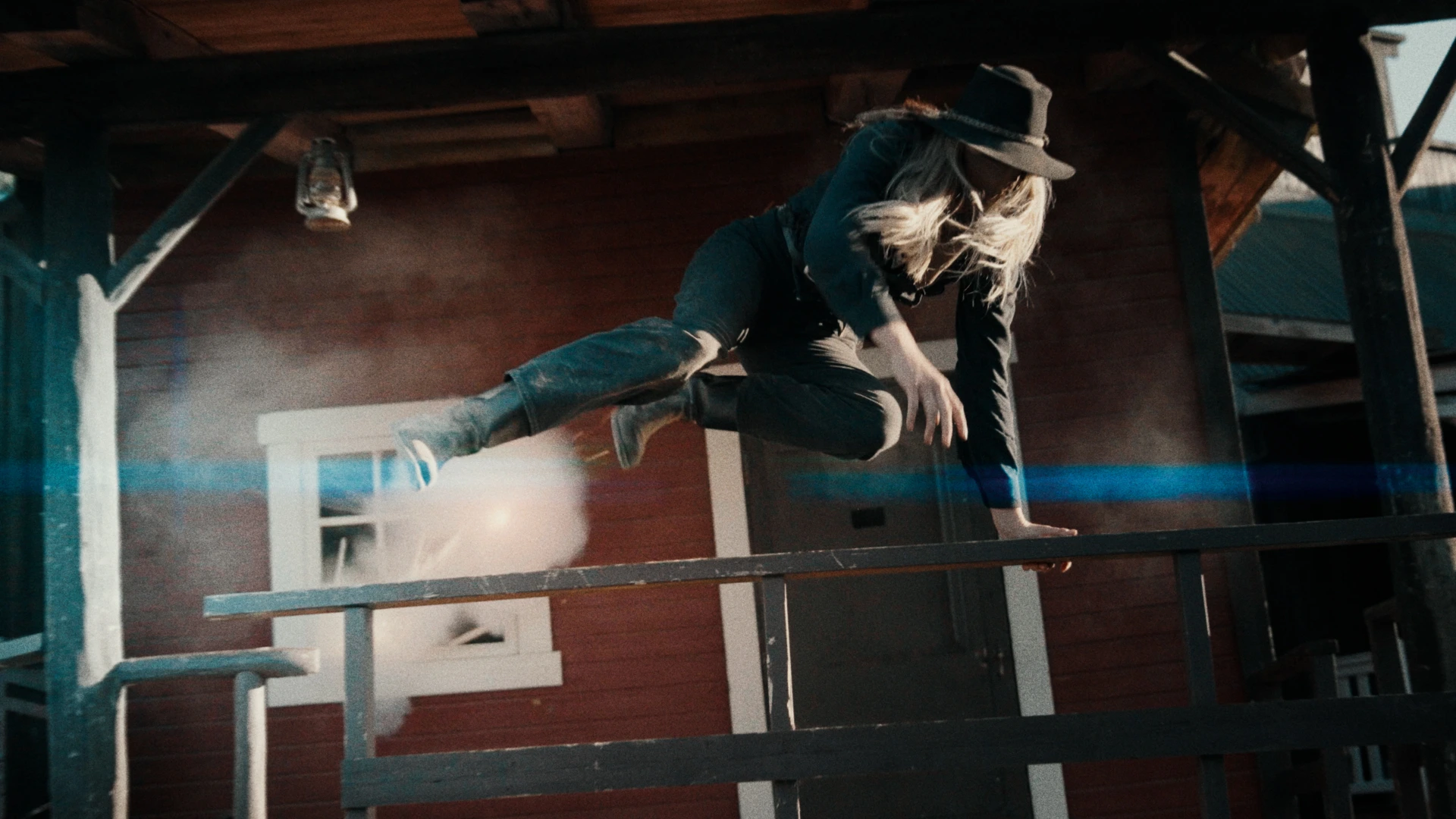
- Stunt performance: falls, car hits, fire and wirework, performed safely and repeatably for camera. See stunt performer.
- Fight choreography designed for the camera and rehearsed with your cast. See fight choreography.
- Action previs before the shoot, so the director, DOP and editor can sign off the sequence. See previs.
- Safety planning for every stunt and fight, agreed with your director, 1st AD and stunt department.
- A written quote before any work starts, with travel and prep days agreed up front.
Bertan holds certificates in stunt safety, fire safety and performance, wire work and rigging, high falls, air ramp and first aid.
Step by step
1. Identify what you actually need
Before reaching out, break down your script and find the action sequences. Be specific: how many scenes involve physical action? What type: fights, falls, car work, wire work, something else? Does a principal actor need a double, or does a trained performer need to be in frame?
This tells you whether you need a single fight choreographer, a stunt coordinator with a team, or an action designer who can handle the full scope. On most short films and commercials, one person covers all three roles.
2. Reach out early
The most common mistake is contacting a stunt performer or choreographer the week before the shoot. Bring them in during pre-production. Early involvement means:
- The choreography is rehearsed before shoot day, not worked out on set
- The director and choreographer agree on coverage in advance
- Safety risks are identified and reduced before anyone is on set
- Shoot days are used for filming, not planning
3. What to prepare before the first call
- The script or a scene breakdown, or at least a clear description of each action sequence
- Shoot dates, and how many days are set aside for action
- Location details: indoor or outdoor, surface, available space
- Budget range: even a rough figure helps
- The principal actors involved: physical condition, experience and availability for rehearsal
What a stunt performer needs from your production
- Time. Enough rehearsal to build the choreography before the camera arrives
- A clear point of contact. One person from the production, ideally the director or the 1st AD
- Access to the actors. Rehearsal time with the principal performers before shoot day
- A place to rehearse. The location, or a comparable space
- A written agreement covering scope, dates, rates and cancellation terms
What stunt work costs
Norsk filmforbund publishes guideline rates for stunt work in Norway (June 2023, excluding social costs and VAT): 6,500 NOK for a stunt performer and 8,500 NOK for a stunt coordinator per 7.5-hour shoot day, with rehearsal and choreography days at the half-day rate. Battleblade's own rates, international ranges and the full breakdown are on the stunt rates page.
Need a stunt performer for your production?
Book a stunt performer