There is no official path, and that's normal
Norway has no stunt register, no licence and no formal entry requirement. That surprises many people, but it is how most of the world works too. Productions do not hire diplomas. They hire people who can do the work safely, repeat it take after take, and make it read on camera.
That means the path is open to anyone willing to build the skills. It also means nobody will hand it to you. What follows is the realistic version, based on how the Norwegian industry actually hires.
1. Build the physical foundation
Almost every working stunt performer has years of physical training behind them before they ever stand on a film set. The most common foundations:
- Martial arts or combat sports (striking, grappling, weapons)
- Gymnastics, acrobatics, tricking or parkour
- Dance or other movement disciplines
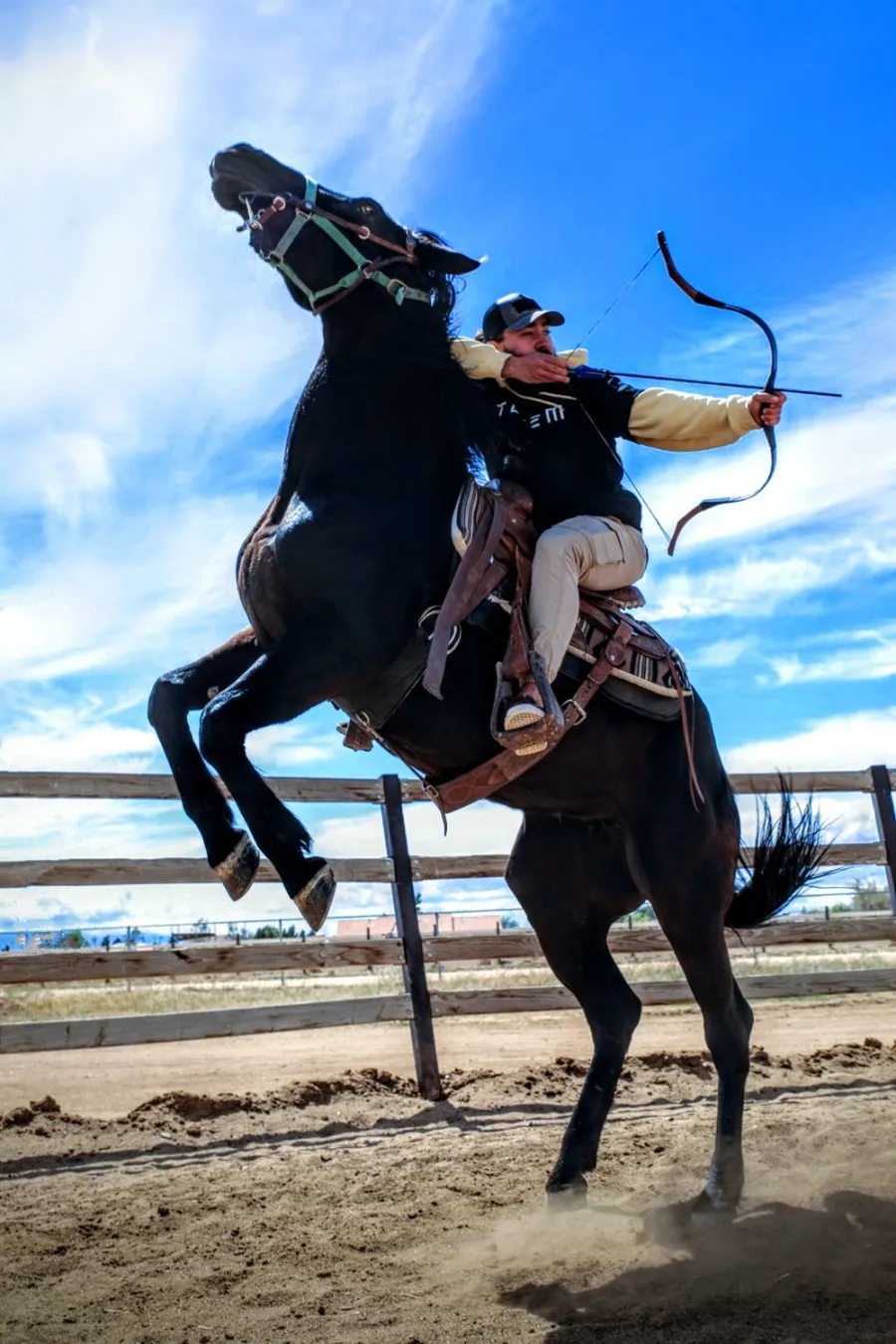
- Specialist skills: riding, driving, swimming, climbing
Depth matters more than variety. Two disciplines trained seriously for years are worth more than six you have only sampled. And from day one, train the habit that defines the profession: control. A stunt performer is not the person who takes the biggest risk; it is the person who makes a risky-looking thing safe and repeatable.
2. Learn to perform for camera
This is the step most people skip, and it is the one that separates athletes from stunt performers. Being able to fight is not the same as being able to perform a fight for camera: selling hits that never land, reacting so the audience feels the impact, holding an eye line, hitting the same mark on every take.
These skills can be trained without a film set. Structured classes in film fighting, like the classes we run in Oslo, exist exactly for this: a low-threshold place to learn the camera side of the craft.
3. Get footage of yourself
You are hired from what people can see. A short reel showing clean technique, real reactions and camera awareness does more than any CV. It does not need to be long; it needs to be honest and get to the point in under a minute.
Start with phone footage of drills and choreography. When you are ready for something sharper, produced showreel material shot like a real scene shows coordinators you belong on a set.
4. Get into the community
The Norwegian stunt scene is small, and that is your advantage. Coordinators hire people they have trained with and trust. Show up to open trainings, be reliable, be safe, and be easy to work with. Reputation travels fast in a small industry, in both directions.
Small and independent productions are the usual first credits: short films, music videos, student films. They pay little or nothing, but they teach you set discipline and start your track record. Register the credits you earn on IMDb; it is the industry's shared CV.
5. Consider the international route
If you are serious, the fastest development often happens abroad. The UK has one of the most structured routes in the world through the British Stunt Register (BSR), with formal skill requirements across multiple disciplines. The US, with Los Angeles, New York and Atlanta at the centre, is the hotspot for stunt training: training there sharpens you faster, builds a real network, and puts you near far more work than Norway can offer.
Spain has a dedicated stunt school, and a few other countries run similar programmes for those willing to commit. International workshops are a lighter version of the same idea: short, intensive training with working professionals. It is also worth knowing where Hollywood actually shoots. Productions in Hungary, the Czech Republic, Bulgaria, Malta, Morocco and Thailand regularly hire local stunt performers, so being trained and available in one of those markets can open doors that Norway cannot.
6. Be realistic about the start
Stunt work in Norway is freelance and irregular, especially early on. Most performers combine it with other work for years. When the jobs come, they pay properly (see Norwegian guideline rates), but nobody should quit their job for their first credit.
Norway itself currently has few large action-heavy productions. A small industry means few competitors, but also few jobs, so the competition is tougher than the numbers suggest. That is part of why the international routes above are worth considering.
The honest summary: build real skills, learn the camera, get footage, be someone people want on set. It is a slow path, but it is open.
Common questions
Do I need formal education?
No. Norway has no stunt register or licence. Productions hire based on demonstrable skills, safety habits, and footage that shows you can perform for camera.
How long does it take?
Most performers build their physical foundation over years before their first job. Camera skills and a showreel can be built alongside that, and small productions offer a way in earlier than most people expect.
How do I get my first stunt job?
Usually through small and independent productions, and through the community. Coordinators hire people they have trained with and trust. A short, honest showreel and a reputation for being safe and reliable matter more than credentials.
Want a practical place to start? The film fighting classes in Oslo cover exactly the camera skills this page describes.
See the classesFree film fight drills
7 film fight drills by email: one combo, built from the body up, then taken to a sword and a staff. Plus the one rule that makes it look good on camera.
Check your inbox: the drills arrive in a minute.
Can't see them? Check spam or the Promotions tab. The sender is Battleblade Productions.